The Uncanny Valley: Why AI Faces Give You the Creeps
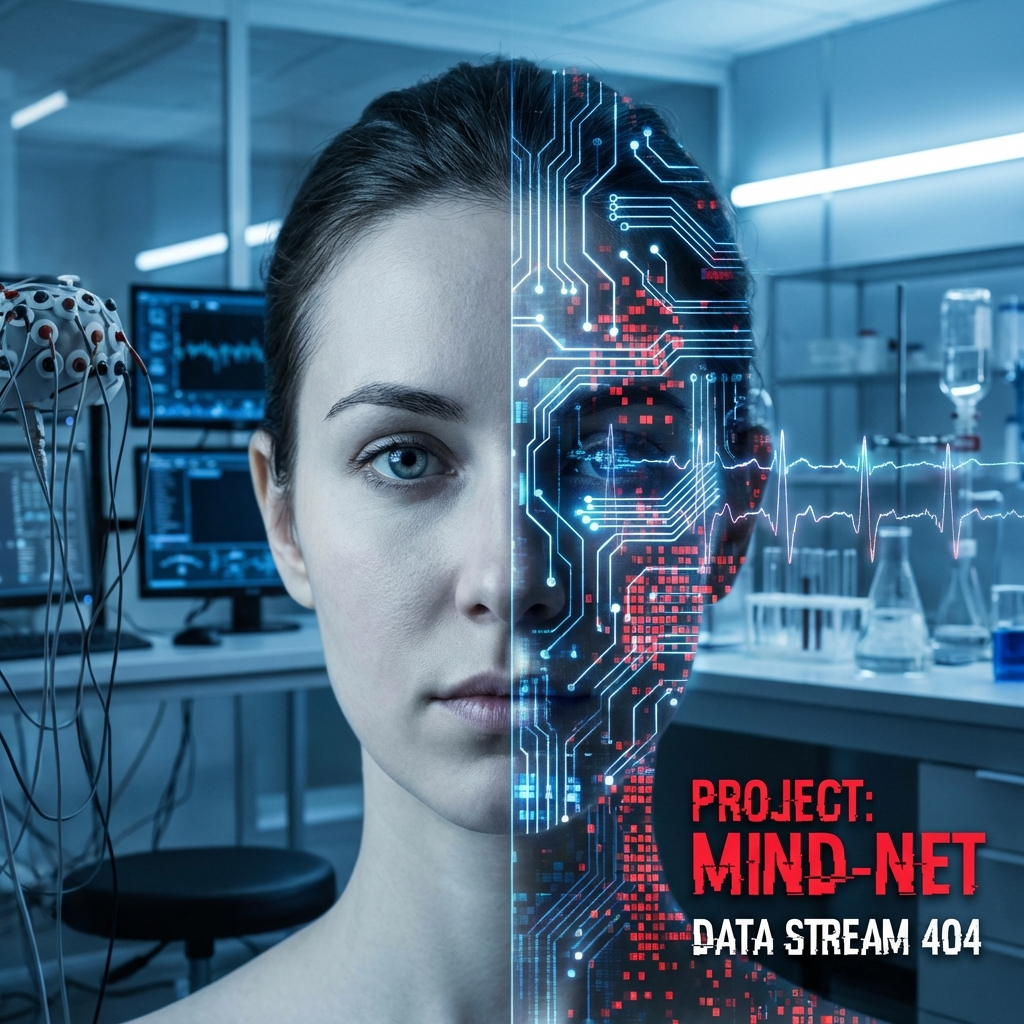
The Uncanny Valley: Why AI Faces Give You the Creeps
Have you ever looked at a photo of someone and felt uncomfortable without knowing why? The face looks human, but something's wrong. You can't quite put your finger on it, but your brain is screaming "this isn't right."
Welcome to the uncanny valley—and it's your best defense against AI-generated faces.
What Is the Uncanny Valley?
The term comes from robotics. Japanese researcher Masahiro Mori discovered that as robots become more human-like, our emotional response gets more positive—until they get too human-like. Then we suddenly feel repulsed.
The same thing happens with AI-generated faces. When they're obviously fake (think early video game characters), we're fine. When they're perfectly realistic, we're fine. But when they're almost-but-not-quite human? That's when we get that creepy feeling.
Why Your Brain Knows Something's Wrong
Your brain is incredibly sophisticated at recognizing faces. You can identify someone you know in a crowded room in milliseconds. You can detect micro-expressions that last fractions of a second. You've evolved to be an expert face-reader.
AI-generated faces pass most conscious checks—the right number of features in roughly the right places. But they fail unconscious ones. Your brain picks up on thousands of tiny details that don't quite add up:
Micro-asymmetries are wrong. Real faces have specific patterns of asymmetry. Your left eye might be slightly lower than your right, or your smile might pull more to one side. AI faces often have the wrong kind of asymmetry—random rather than systematic.
Skin texture is too uniform. Real skin has pores, tiny variations in color, small imperfections. AI skin often looks like smoothed plastic, even when it's trying to look natural.
Eyes don't have depth. This is the big one. Real eyes have multiple layers—iris patterns, reflections, blood vessels, depth. AI eyes often look flat, like they're painted on.
Expression doesn't match emotion. A real smile involves your whole face—eyes crinkle, cheeks raise, maybe your nose scrunches. AI smiles sometimes only happen in the mouth, leaving the rest of the face weirdly still.
The Creepy Feeling Is a Feature, Not a Bug
That uncomfortable feeling when you look at an AI face? That's your brain trying to protect you.
For most of human evolution, if you saw something that looked human but didn't act quite right, it was probably sick or dead or otherwise dangerous. Your ancestors who got creeped out and avoided strange-looking "humans" survived better than those who didn't.
Now that instinct helps protect you from digital deception. When a face gives you that uncanny valley feeling, your ancient brain is doing modern threat detection.
How Con Artists Try to Overcome It
Scammers know about the uncanny valley problem. They're trying to work around it in clever ways:
Using motion. Still images trigger uncanny valley responses more than videos, where our perception gets overwhelmed by movement. A choppy deepfake video might pass where a still frame wouldn't.
Lowering quality deliberately. Blurry or pixelated images hide the telltale signs of AI generation. That "bad webcam" might actually be hiding an AI face.
Cropping strategically. Showing only part of a face—just eyes and nose, for example—reduces uncanny valley triggers because your brain has less information to judge.
Adding noise and imperfections. Newer AI tools deliberately add skin texture, random asymmetries, even fake blemishes to look more real.
Training Your Uncanny Valley Detector
You can get better at recognizing that creepy feeling and trusting it:
Look at lots of examples. Websites like "Which Face Is Real" show pairs of photos (one real, one AI) and let you practice. The more you do this, the better you get.
Pay attention to your gut. When a face makes you uncomfortable, don't dismiss that feeling. Investigate why.
Focus on eyes. They're usually the giveaway. Spend time really looking at eyes in photos you know are real versus AI-generated. You'll start seeing the patterns.
Check multiple photos. If someone has multiple photos on social media, are they consistently the same person? Or do details change in weird ways?
When the Uncanny Valley Fails
Here's the concerning part: AI is getting better. The uncanny valley is shrinking. What gave you creeps last year might look perfectly normal now.
Some AI-generated faces already pass the uncanny valley test for most people. They look and feel human because they're that good.
This means we can't rely on our gut forever. We need additional verification methods—reverse image searches, checking for other signs of AI generation, verifying sources.
But right now, in 2026, the uncanny valley is still one of your best tools.
Real-World Applications
I use uncanny valley detection constantly:
Online dating: That too-perfect profile picture that makes you slightly uncomfortable? Trust that feeling.
Social media: Friend request from someone whose face just seems off? Probably fake.
Job applications: Candidate photo that looks almost too professional? Worth a second look.
News images: Face in that viral photo seems wrong? Check before sharing.
The Psychology Behind It
Why does the uncanny valley work so well?
Researchers think it's because our brains have specialized face-processing regions that developed over millions of years. These regions are tuned incredibly precisely to recognize human faces.
When something is close but not quite right, it creates cognitive dissonance. Your conscious brain says "that's a face," but your unconscious face-processing systems say "something's wrong." That conflict creates the creepy feeling.
It's like listening to music that's slightly out of tune—your brain knows something's not right even if you can't identify the specific problem.
The Bottom Line
That creepy feeling when you look at certain faces online? That's not paranoia or overthinking. That's your highly-evolved, finely-tuned face-recognition system doing its job.
Trust it.
When a face gives you uncanny valley vibes, pause. Look closer. Verify the source. Don't just assume your discomfort is wrong.
Your brain developed over millions of years to recognize humans and detect imposters. Modern AI might be sophisticated, but your ancestral threat-detection system is pretty sophisticated too.
In the arms race between AI generation and human detection, the uncanny valley is on your side. Use it.
Explore More Insights
Discover more technical articles on AI detection and digital forensics.
View All Articles